Blogs
How to Increase Ecommerce Conversion: What Enterprise Brands Do Differently



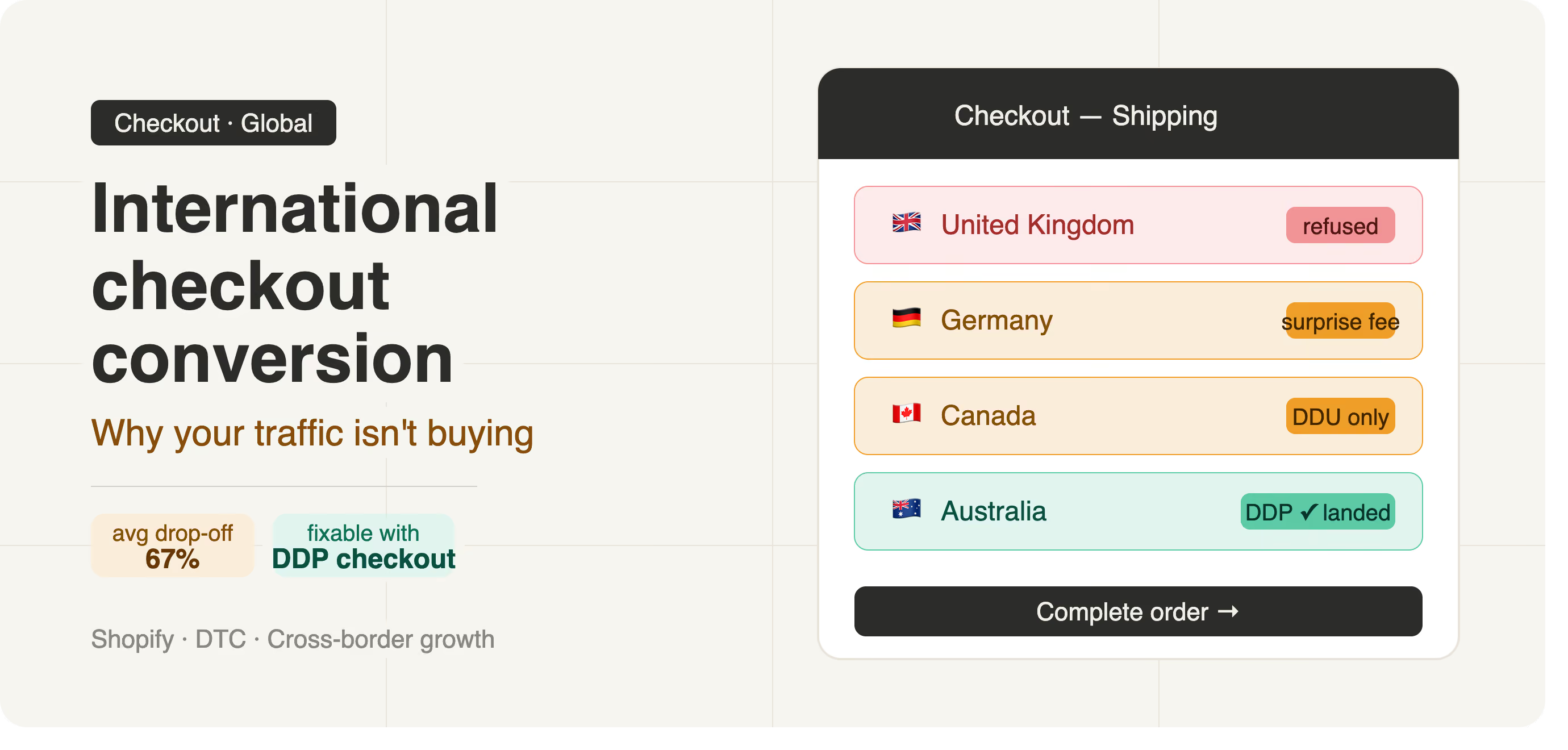

If more than a quarter of your site traffic is coming from outside the US, you already have an international customer base. The question is why they are not converting. The gap between international traffic share and international revenue is consistent across brands in this segment. It is almost always a checkout problem, not a product or brand problem.
Key numbers
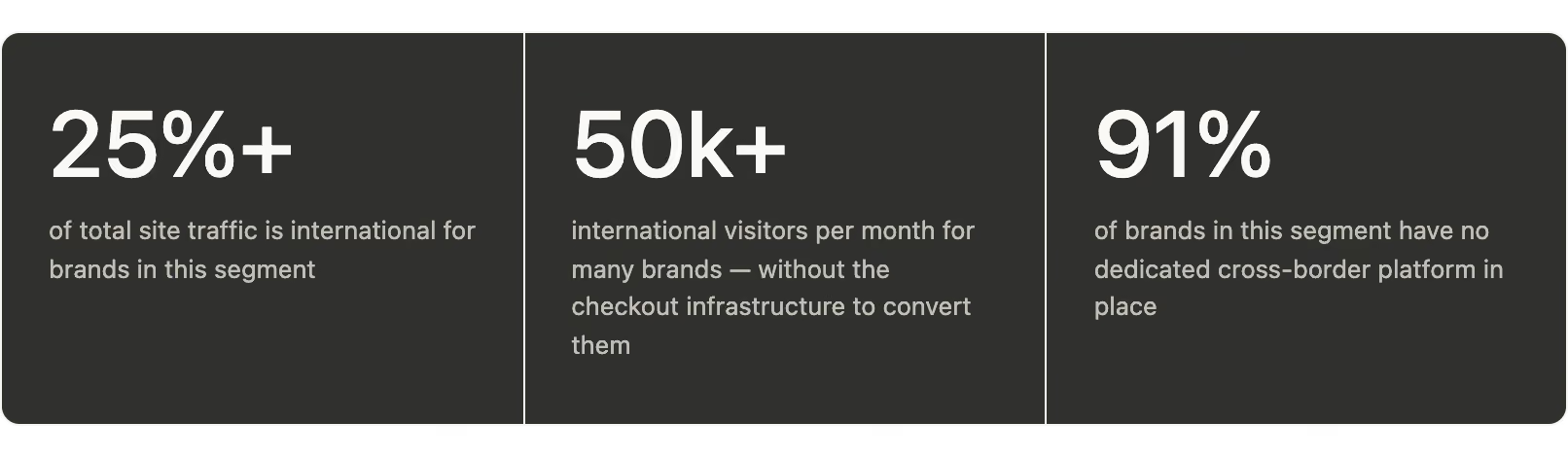
Five specific barriers sit between an international visitor and a completed order. Most brands are unaware of all five.
High International Shipping Costs Are Your Biggest Conversion Killer
On a $60 skincare purchase, a $40 shipping fee stops most international buyers before they even reach the add-to-cart stage.
USD-Only Pricing Loses 33% of International Buyers at Checkout
Most Shopify stores without a dedicated cross-border setup default to USD across all markets.
DDU Shipping: Why Surprise Duty Bills Drive Refusals and Chargebacks
When a brand ships DDU, the carrier delivers the package and bills the customer for duties and taxes on arrival. On a $120 order to Canada, that surprise can add $15 to $25 at the door — an amount the customer did not agree to at checkout.
Vague Delivery Windows Are Costing You International Conversions
For a buyer in Melbourne considering a $150 purchase, "7 to 21 business days" is enough reason to close the tab and reconsider.
International Return Costs Stop Buyers Before They Add to Cart
When returning means shipping from the UK or Australia back to a US warehouse at the customer's own cost, many buyers factor that risk into whether they order at all.
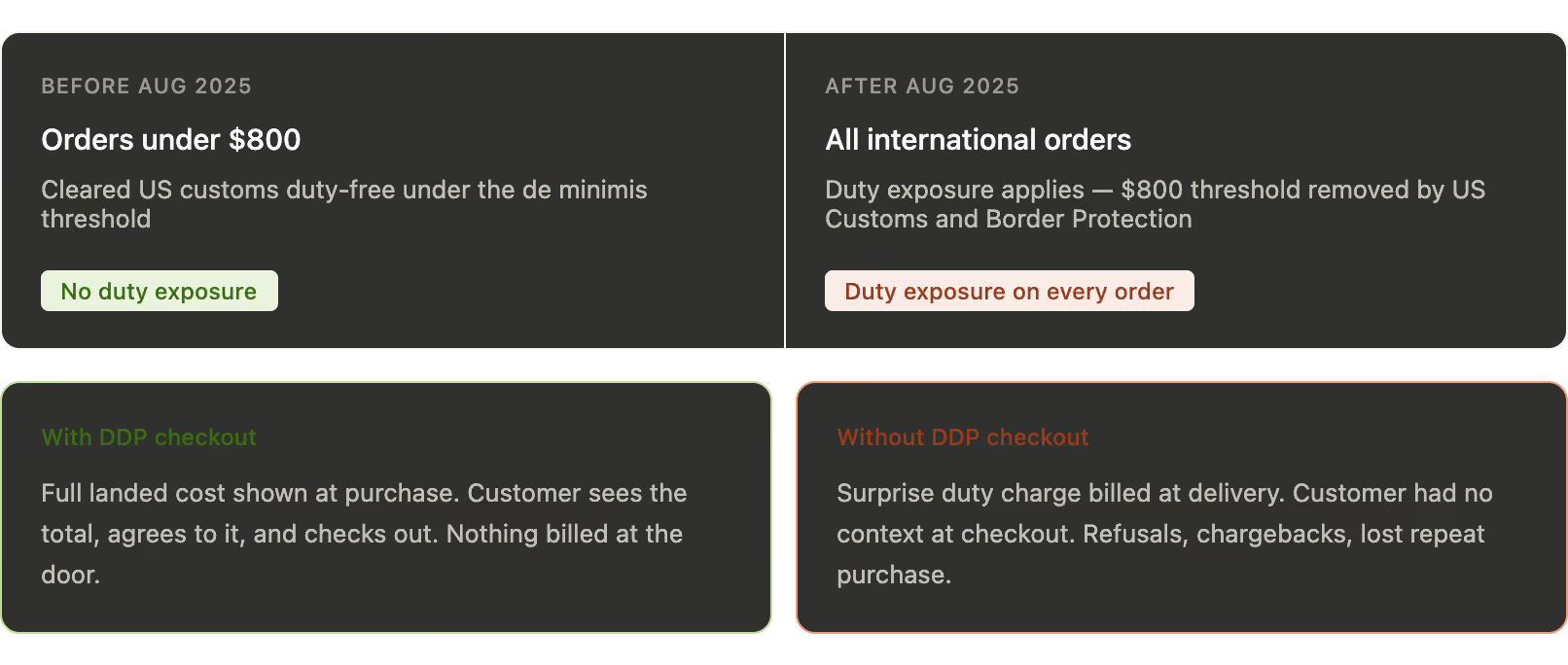
These are not isolated settings changes. Each one addresses a specific drop-off point above, and they need to work as a system.
Lower International Shipping Costs with Volume Carrier Rates
DDP at Checkout: Show Full Landed Cost Before the Customer Commits
Ecommerce Localization: Local Currency Pricing for Every Market
Reduce Cross-Border Payment Processing Fees from 5% to Under 1%
Local Returns Infrastructure: Cut International Return Costs by 68%
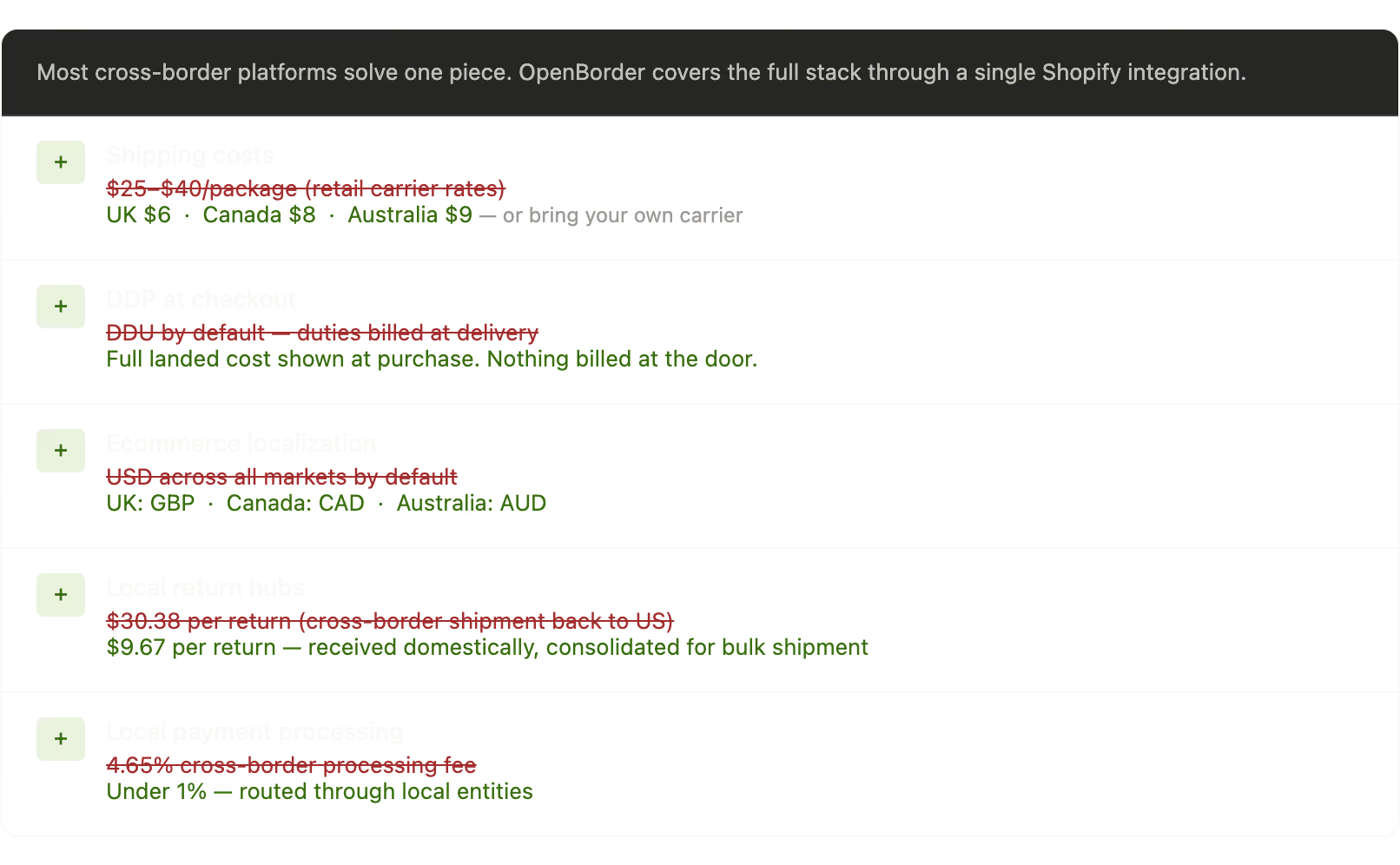
Every result below comes from brands that completed the full infrastructure build and measured what changed.
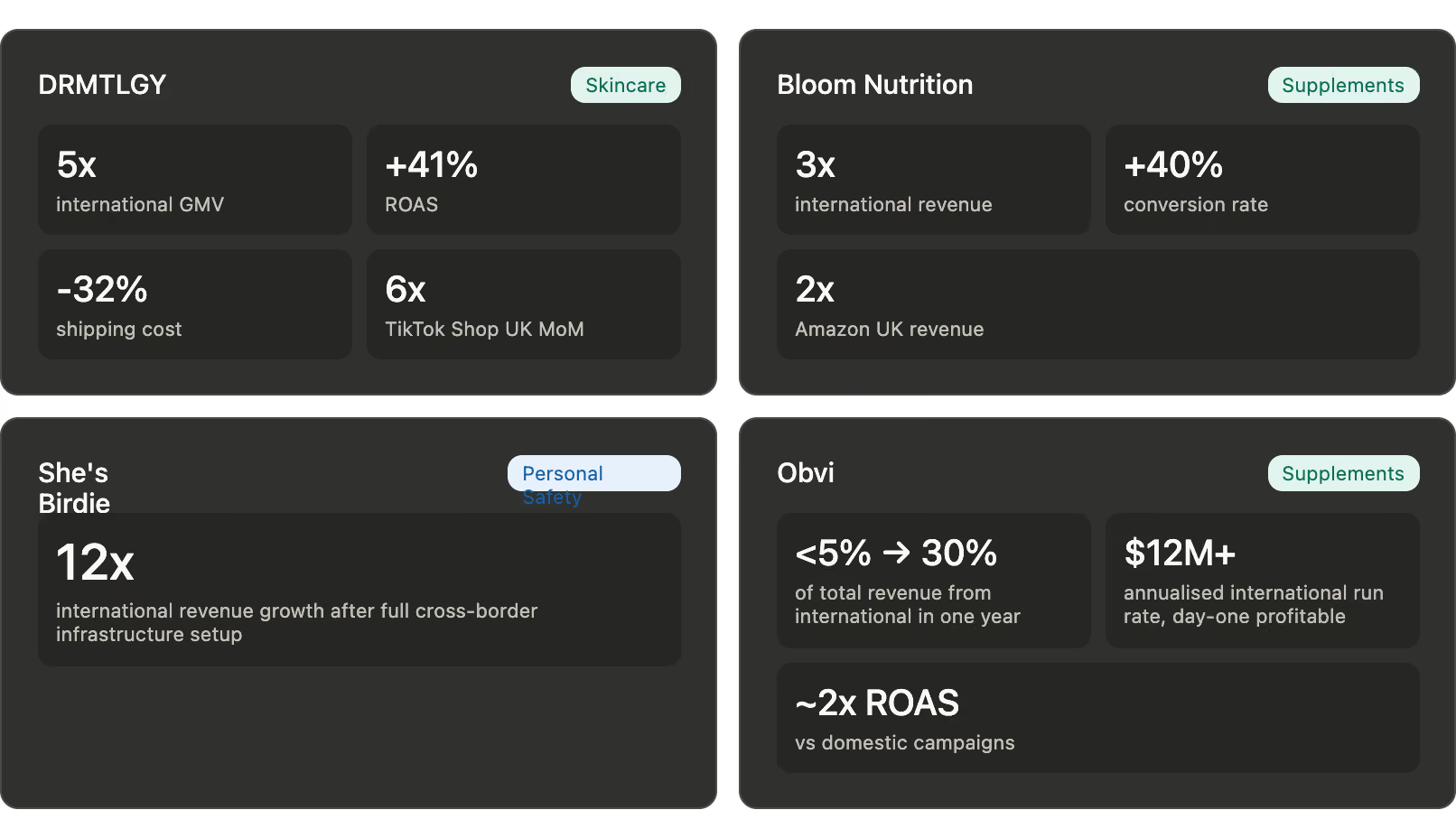
The common thread across all four: they moved from partial or no cross-border infrastructure to a complete stack. The gap between international traffic and international revenue closed when the checkout stopped creating the barriers described above.
If you are seeing strong international traffic but the revenue does not match it, the gap is almost always in the checkout. A 15-minute call is usually enough to identify exactly where.